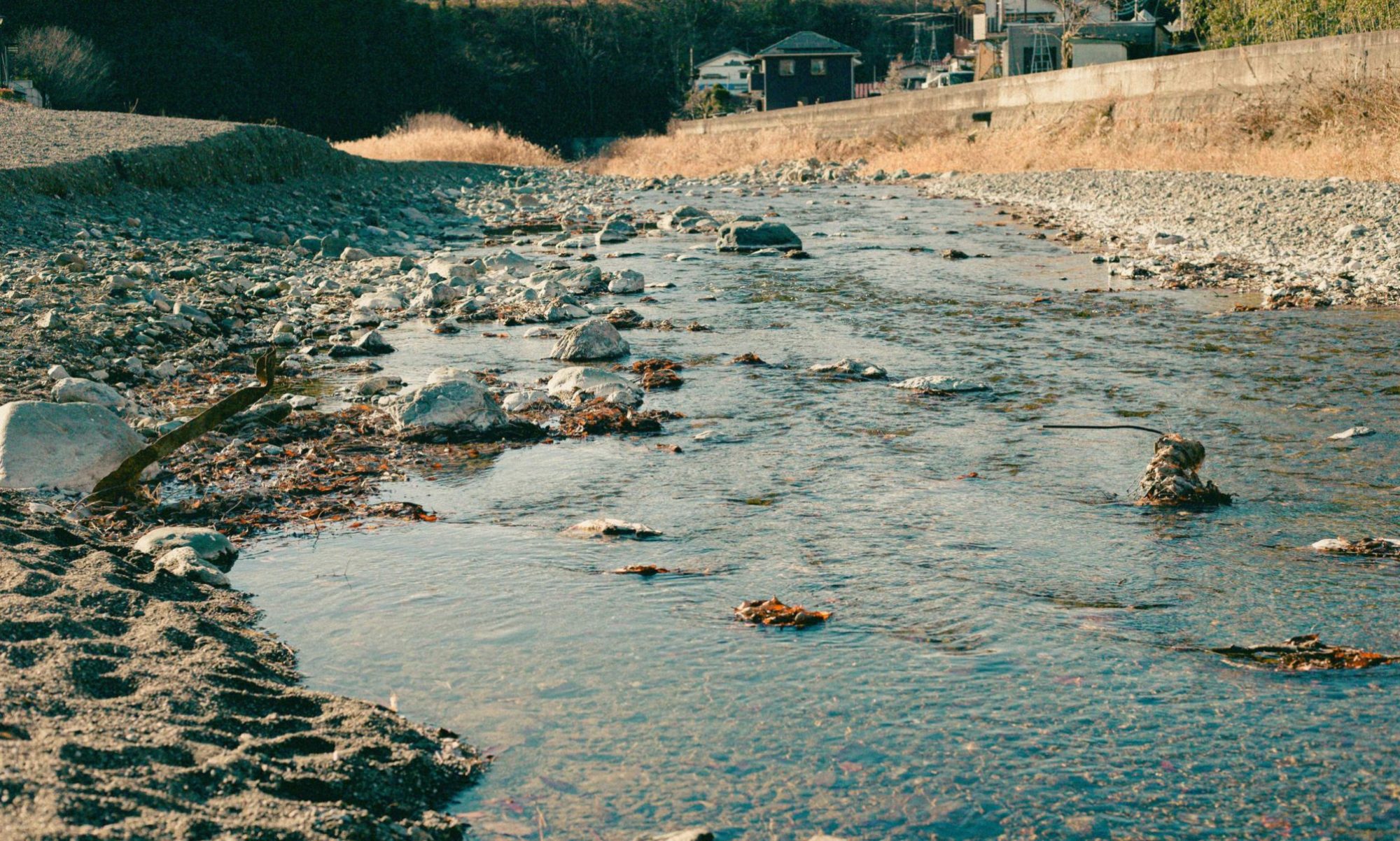
 It’s important to take a moment in the midst of the current political turmoil to consider what‘s really at stake. What we’re seeing from the Trump White House may be a symptom of the breakdown occurring as the new Administration tries to turn back the clock in several critical areas—climate, equity, foreign aid, and public service—while pursuing global triumphalism. But the consequences of a world economy built on fossil fuels, mass consumerism, and conventional agriculture are unavoidable. We need to understand that we are in the midst of collapse, and that chaos and conflict will only accelerate it. Here’s what even ChatGPT recognizes to be the situation we face.
The Reality of Accelerating Collapse
Civilization as we know it is under immense strain. Climate change, biodiversity loss, desertification, and ocean acidification are just some of the existential crises unfolding at an accelerating pace. These environmental pressures are compounded by political instability, economic fragility, and disruptive social movements seeking to overturn the status quo. We are in the midst of what scientists and historians may come to call the most decisive decade of the 21st century. What we do—or fail to do—will determine whether the future remains habitable for humanity and countless other species Continue reading “Avoiding the Worst Consequences of Collapse”
 President Trump’s recent Executive Order (EO), titled “Unleashing American Energy,” signals a significant shift in U.S. energy policy. While the EO aims to boost domestic energy production and reduce regulatory burdens, it notably targets the concept of the social cost of carbon (SCC), calling it “logically deficient,” “poorly based in empirical science,” “politicized,” and “absent of a foundation in legislation”. This move has profound implications for our understanding of climate change and how we address it.




 February 14, 2019: NJ’s new stormwater utility bill (A2694/S1073) authorizes municipalities to collect fees on parking lots and other impervious surfaces to fund improvements to failing stormwater systems. But it has many commercial property owners concerned that they will now face significant new charges on their property. If the legislature and the Murphy Administration want to address these concerns in a meaningful way, PACE (Property Assessed Clean Energy) is the obvious answer.
 Asking for money is one of the more challenging things that every charity has to do. The first question we need to answer, however, is “Why are we asking?” If we don’t have a clear and compelling answer, we’re handicapping ourselves from the start.