We have just launched our new website, NJPACE.org, which replaces NewJerseyPACE.org (archived here). We’ve removed most of the material dating back a dozen years to focus on the new Garden State C-PACE Program being rolled out by NJEDA. Commercial Property Assessed Clean Energy—which actually covers not only the usual office, retail, and industrial, but also multifamily, agricultural, and nonprofit/institutional properties like churches, schools, hospitals, and so on—has the potential of bringing billions of dollars of investments in energy efficiency, renewables, and resiliency in the Garden State.
It’s worth revisiting some of this history if only to understand what shaped our thinking about the program over the many years we advocated for it. I first heard about PACE (Property Assessed Clean Energy) in 2011 from a group in California asking if we would support them in their effort to get Residential PACE accepted by the Federal Housing Financing Agency, which was working to stop it from being used with federally mortgaged housing. At the time, I was working with Fairleigh Dickinson University on small-scale hydro with a member of the New Jersey Legislature, then-Deputy Speaker of the Assembly, Upendra Chivukula. Chivukula, who has a Master’s Degree in Electrical Engineering, is now a Commissioner on NJ’s Board of Public Utilities.
Continue reading “Shameless Self-Promotion: We’ve just launched NJPACE.org!”
 The non-governmental organizations and institutions dedicated to climate mitigation and adaptation have long been the backbone of efforts to curb greenhouse gas emissions, develop sustainable technologies, and build resilient communities. However, the chilling effect of Donald Trump’s climate policies has cast a shadow over this critical work, obstructing progress at a time when urgent action is needed more than ever.
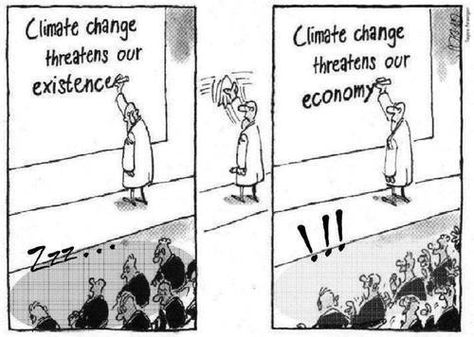
 It’s important to take a moment in the midst of the current political turmoil to consider what‘s really at stake. What we’re seeing from the Trump White House may be a symptom of the breakdown occurring as the new Administration tries to turn back the clock in several critical areas—climate, equity, foreign aid, and public service—while pursuing global triumphalism. But the consequences of a world economy built on fossil fuels, mass consumerism, and conventional agriculture are unavoidable. We need to understand that we are in the midst of collapse, and that chaos and conflict will only accelerate it. Here’s what even ChatGPT recognizes to be the situation we face.
 After almost ten years of concerted advocacy, New Jersey’s C-PACE law is finally being amended to make it actually usable by municipalities and commercial property owners to limit their carbon emissions, save money, and create new jobs and opportunities in local communities. While it will still be a number of months before the NJ Economic Development Authority (NJEDA) issues rules and guidelines, the passage of the new bill (A2374/S1953) is a major milestone in NJ’s commitment to meaningful climate action.